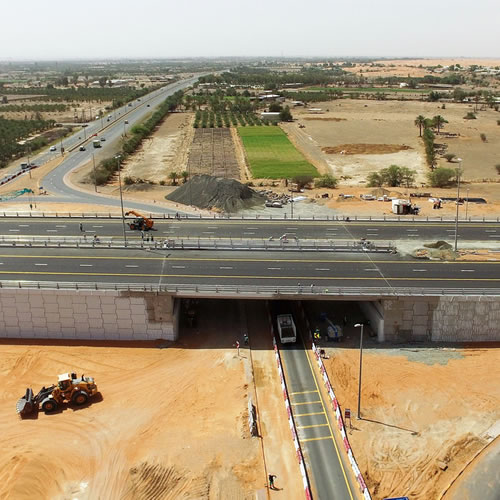
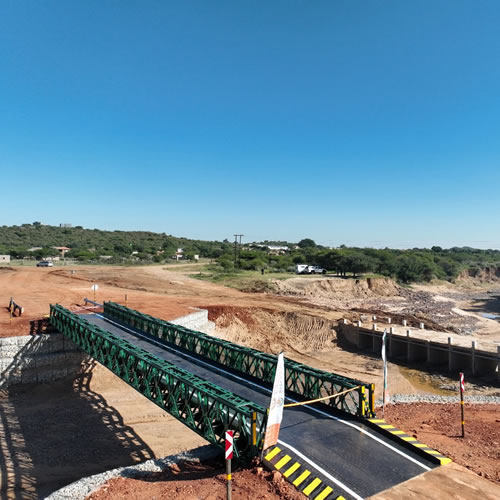
The company is pleased to have worked with local, regional and nationally recognized clients. We are proud of the long-term relationships it has developed in the industry, and the ongoing client satisfaction that has led to substantial referral and repeat work.
Stages of Water drilling using a rotary rig
Study
After the contract has been formalized, our technical team will visit the site along with geologists to identify the best place to carry out the drilling process.
Mobilization
The drilling rig accompanied by a support truck will reach the site. Based on the soil and rock formation conditions, we would take approximately 3 hours to prepare for the drilling process.
Borehole Drilling
The drilling is carried out by using the “Down-The-Hole” (DTH) technology. This system works by using high compressed air built within our drilling rig. The size of the hole can vary depending on the requirement of the client. As the drilling process continuous, geological rock samples are taken at 2 meter intervals. Struck and water rest levels are constantly recorded. This process enables us to estimate the yield of individual aquifers encountered.